
 Fleur and Phoebe
 For those new to CBD, selecting the right product can feel overwhelming due to the many options available. The best CBD products for beginners are those that offer clear dosing, reliable quality, and ease of use, such as CBD oils, capsules, and gummies. These options provide a straightforward way to start without confusion over potency or delivery methods.
Understanding product types and what suits individual needs is key to a positive experience. This guide highlights beginner-friendly choices that balance effectiveness with simplicity, helping users make informed decisions from the start.
What is CBD?
CBD is a natural compound derived from the cannabis plant, known for its potential wellness benefits without causing a “high.” It interacts with the body’s systems in specific ways and exists in various forms that affect how it can be used.
Understanding Cannabidiol
Cannabidiol (CBD) is one of over 100 cannabinoids found in the cannabis plant. Unlike THC, the psychoactive cannabinoid, CBD does not produce intoxication or mind-altering effects. It is commonly extracted from hemp, a cannabis variety containing less than 0.3% THC.
CBD is used in oils, tinctures, capsules, edibles, and topicals. People often seek it for support with stress, sleep, or minor discomfort. Legal status varies by region, but hemp-derived CBD is widely permitted in many countries, including the U.S.
How CBD Works in the Body
CBD interacts with the endocannabinoid system (ECS), a network involved in regulating functions like mood, pain, and inflammation. Rather than binding directly, CBD influences ECS receptors to promote balance.
This indirect action can enhance the body’s natural ability to maintain homeostasis. The effects depend on dosage, delivery method, and individual physiology. Unlike THC, CBD does not activate receptors that cause intoxication.
Types of CBD Extracts
There are three primary CBD extract types:
| Type | Description | THC Content | Common Use |
| Full-Spectrum | Contains all cannabinoids, terpenes, and trace THC (0.3%) | Up to legal THC limit | Maximum entourage effect |
| Broad-Spectrum | Contains multiple cannabinoids but no THC | 0% THC | Avoid THC, retain benefits |
| CBD Isolate | Pure CBD, no other cannabinoids or terpenes | 0% THC | Controlled dosing, sensitive users |
Each type affects potency and user experience differently. Full-spectrum offers the most compounds, while isolate is pure and precise.
Benefits of CBD for Beginners
CBD offers a range of effects that support daily wellness and comfort. Many users find it helpful for managing specific physical and mental challenges. Understanding its uses, expected effects, and safety can guide beginners to a confident start.
Common Wellness Uses
CBD is frequently used to help manage stress and anxiety, promoting a calmer state of mind without psychoactive effects. It may also support better sleep quality by helping users fall asleep faster and stay asleep longer.
Some people use CBD to reduce minor aches and inflammation, particularly after exercise or due to everyday strain. It is available in various forms like oils, capsules, and topicals, allowing for easy integration into different routines.
Potential Effects and Sensations
CBD typically produces subtle effects rather than intense sensations. Users often report a feeling of relaxation and improved focus without feeling “high.”
Onset and duration depend on the product form—oils and tinctures may act within 15-45 minutes, lasting 4-6 hours, while edibles take longer to kick in but provide extended relief. Side effects are usually mild and may include dry mouth, fatigue, or minor digestive issues.
Safety and Legal Considerations
CBD derived from hemp containing less than 0.3% THC is legal federally in the U.S., but laws vary by state and country. Beginners should verify local regulations before purchasing.
Choosing products from reputable brands with third-party lab testing ensures purity and accurate CBD content. It is important to start with a low dose and monitor effects, especially if taking other medications, as CBD can interact with certain drugs.
Factors to Consider When Choosing CBD Products
Selecting the right CBD product involves evaluating several important aspects. These include understanding where the hemp comes from, the strength of the CBD, and verifying safety through independent testing.
Source and Quality of Hemp
The origin of hemp affects CBD quality and safety. U.S. and European hemp farms typically follow strict agricultural standards, reducing the risk of harmful pesticides or heavy metals in the final product.
Look for products made from organic hemp to avoid chemical residues. The extraction method also matters; CO2 extraction is preferred as it yields pure CBD without solvents. Avoid products listing “hemp seed oil” as the primary ingredient, as this contains little to no CBD.
CBD Concentration and Potency
CBD potency determines how much active compound you receive per serving. Beginners should start with lower concentrations, around 5-10 mg of CBD per dose, to assess tolerance.
Labels should clearly state the total milligrams of CBD in the container and per serving. Products come in a variety of forms: tinctures, capsules, and edibles, each with different absorption rates. Choose a product with a concentration that fits your needs and can be easily adjusted.
Third-Party Lab Testing
Reputable brands provide third-party lab test results, also called Certificates of Analysis (COAs). These reports verify CBD content, cannabinoid profile, and absence of contaminants like pesticides, heavy metals, and mold.
Check if the lab testing is recent and matches the batch number of your product. Avoid products without accessible lab reports or those with incomplete data. This ensures product transparency and safety for consumers.
Best Types of CBD Products for Beginners
Choosing the right CBD product depends on ease of use, dosage control, and personal preference. Some formats offer faster effects, while others provide convenience and discreet use.
CBD Oil Tinctures
CBD oil tinctures are one of the most versatile forms. They come with a dropper allowing precise dosage, making it easy for beginners to adjust amounts gradually.
Tinctures are taken sublingually—placing drops under the tongue—for faster absorption. Effects typically appear within 15-30 minutes.
The flavor can vary, but many tinctures have natural hemp notes. Some brands offer flavored options to mask the taste. Tinctures also come in varying concentrations, ranging from 250 mg to 1500 mg or more per bottle.
CBD Gummies
CBD gummies are popular for their simplicity and taste. Each gummy usually contains a pre-measured dose, making dosage consistent and straightforward.
They take longer to kick in (30 minutes to 2 hours) due to digestion, but effects last longer compared to tinctures.
Gummies often come in sweet, fruit-flavored varieties that mask the hemp taste completely. They are discreet and portable, ideal for users who want CBD on the go without the need for measuring.
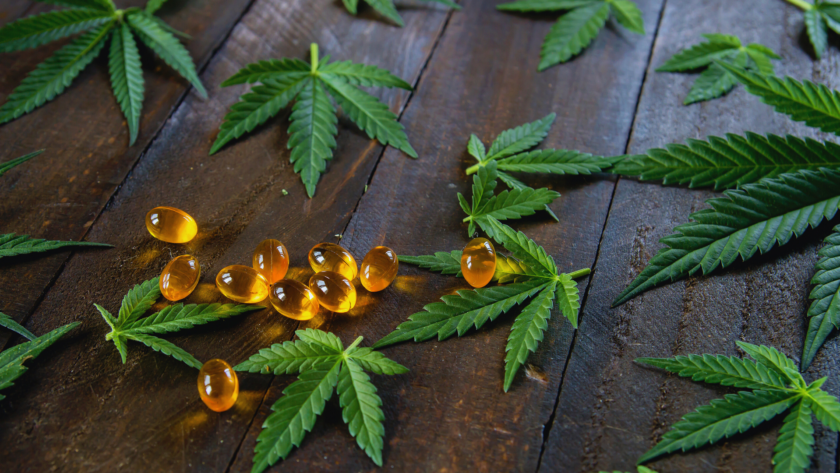
CBD Capsules
CBD capsules provide a familiar form for users already comfortable with supplements. Like gummies, capsules offer fixed dosages that remove guesswork.
Capsules are swallowed whole and absorbed through the digestive system. This means slower onset (up to 2 hours) but prolonged effects.
They have no taste and are easy to integrate into daily routines. Capsules typically contain 10-25 mg of CBD, controlled for consistent dosing with minimal effort.
Beginner-Friendly CBD Brands
Choosing a CBD brand with transparent sourcing and clear product information is essential for those new to CBD. Assistance through accessible customer service and educational resources also supports informed decisions and safe use.
Reputable Manufacturers
Trusted CBD brands prioritize transparency in their manufacturing processes. They provide third-party lab results, often called Certificates of Analysis (COAs), which confirm product potency and absence of contaminants.
Look for companies that use organic hemp grown in the U.S. or Europe, as these regions enforce strict agricultural standards. Brands like Charlotte’s Web and Lazarus Naturals are known for rigorous quality control and clear labeling, making it easier to understand serving sizes and ingredients.
Always check that manufacturing facilities follow Good Manufacturing Practices (GMP). This ensures consistent product quality and safety standards, reducing the risk of harmful substances.
Customer Support and Education
Effective customer support is crucial for beginners exploring CBD products. Brands that offer knowledgeable representatives can answer questions about dosage, product types, and effects.
Educational materials like blogs, FAQs, and usage guides should be easy to access on the brand’s website. This helps users understand the differences between full-spectrum, broad-spectrum, and isolate CBD.
Some brands provide consultation services or beginner kits that guide users step-by-step. This reduces uncertainty about starting CBD and encourages responsible use.
Look for prompt response times and clear communication to ensure trustworthy customer engagement.
How to Start Using CBD Safely
Starting CBD requires attention to proper dosage, careful adjustment, and tracking your body’s reactions. This helps ensure a safe and effective experience without unintended effects.
Determining Your Dosage
Dosage depends on factors such as body weight, metabolism, and the condition you want to address. Beginners often start with a low dose, such as 5 to 10 mg of CBD per day.
Check product labels for CBD concentration per serving. Note that full-spectrum products may have added cannabinoids, which can affect potency.
Consult with a healthcare professional before beginning, especially if you take medications. They can help determine an appropriate starting dose.
Record your initial dose and any changes over time for reference. This clarity makes adjustments more precise and informed.
Starting Low and Going Slow
Begin with the lowest possible dose to see how your body reacts. Use this dose consistently for 3 to 7 days before considering any increase.
If after this period you don’t notice desired effects, increase the dose by small increments—typically 2.5 to 5 mg. Do not rush increases; gradual steps reduce the risk of side effects.
Keep track of dosing times and amounts using a journal or app. This helps identify trends and find your ideal balance.
Avoid mixing several CBD products simultaneously to better understand which one works best for you.
Monitoring Your Response
Pay attention to physical and mental changes such as relaxation, sleep quality, or focus. Take note of any side effects like dry mouth, fatigue, or dizziness.
Evaluate your response after consistent use—usually within 2 weeks. Immediate effects might be subtle, but steady observation reveals patterns.
If side effects occur, reduce your dose or stop use temporarily. Consult a healthcare provider if symptoms persist.
Use simple tracking tools like checklists or daily notes to stay organized and objective about your experience.
Potential Side Effects and Precautions
CBD products can affect individuals differently, and understanding potential side effects, drug interactions, and when to seek medical advice is essential. Knowing these factors helps users make safer choices and avoid complications.
Possible Adverse Reactions
Common side effects of CBD include dry mouth, drowsiness, and changes in appetite. Some users report mild gastrointestinal issues like diarrhea or nausea, especially when starting CBD or using higher doses.
Less commonly, CBD may cause dizziness or fatigue. These effects can vary depending on the product’s strength, form, and individual response. Starting with a low dose and gradually increasing can minimize adverse reactions.
Monitoring your body’s response during the first few weeks is critical to identify any unusual symptoms. Stop use if severe effects appear and consult a healthcare provider if needed.
Interactions with Medications
CBD can interact with certain medications, especially those metabolized by the liver enzyme cytochrome P450. This includes blood thinners like warfarin, some anti-seizure drugs, and certain antidepressants.
These interactions can alter drug levels, potentially increasing side effects or reducing effectiveness. Always check with a pharmacist or doctor before combining CBD with prescription or over-the-counter medications.
Keep a list of all your medications handy and inform your healthcare provider about your CBD use. This information is critical for avoiding dangerous interactions.
When to Consult a Healthcare Professional
Consult a healthcare professional if you experience persistent side effects such as severe dizziness, rapid heartbeat, or allergic reactions like rash or swelling.
It is also important to get advice before starting CBD if you have liver disease, are pregnant or breastfeeding, or have underlying health conditions.
Professional guidance ensures safe CBD use tailored to your health status, reducing risks and optimizing effects.
Tips for a Positive CBD Experience
Understanding how to interpret product information, properly store your CBD, and maintain realistic expectations will help you use CBD safely and effectively. These factors impact the quality, potency, and outcomes of your CBD experience.
Reading Product Labels
Carefully examine CBD product labels for key details. Look for the CBD concentration, usually expressed in milligrams (mg). Higher mg means stronger potency. Check whether the product is full-spectrum, broad-spectrum, or isolate, as this affects the presence of other cannabinoids.
Verify the source of hemp to ensure quality; U.S.-grown hemp is often more reliable due to regulations. Confirm the product’s third-party lab testing with accessible Certificates of Analysis (COAs). These tests verify cannabinoid content and check for contaminants like pesticides or heavy metals.
Be mindful of additional ingredients listed, especially in edibles or topicals, to avoid allergens or irritants. Understanding the label helps select products that fit your needs and guarantees safer use.
Storing CBD Products
Proper storage maintains CBD’s effectiveness and shelf life. Keep your CBD products in a cool, dry place away from direct sunlight. Heat and light accelerate degradation, reducing potency over time.
Tinctures and oils should be tightly sealed and stored upright to prevent leaks and oxidation. Avoid places with fluctuating temperatures, like bathrooms or near windows.
For CBD edibles, check the packaging for storage instructions. Some may require refrigeration after opening. Storing correctly also preserves flavor and texture, especially for gummies or patches.
Setting Realistic Expectations
CBD impacts individuals differently, and effects may take time to develop. It is not an instant solution; many users notice subtle improvements after consistent use for several days or weeks.
Start with low dosages and gradually increase to assess how your body responds. Suddenly, high doses can cause unwanted side effects like fatigue or digestive upset.
CBD is not a cure-all. It can support well-being, but should be combined with healthy lifestyle choices. Understanding this prevents frustration and helps set practical goals for use.