 Fleur and Phoebe
 Using CBD for muscle recovery has become a popular option among athletes and fitness enthusiasts looking for natural support. CBD may help reduce inflammation and relieve pain, which can aid the recovery process after intense workouts. Understanding how to incorporate CBD effectively can make a difference in your routine.
Choosing the right CBD product and dosage is key to maximizing its potential benefits. Whether you prefer oils, creams, or capsules, each method offers a different way to target muscle soreness and tension.
This guide will cover the essentials of using CBD for muscle recovery, including how it works, when to use it, and tips for safety and effectiveness.
Understanding CBD and Muscle Recovery
CBD is a compound derived from the cannabis plant that interacts with body systems involved in inflammation and pain. It influences how cells respond to stress and supports the natural healing process after muscle strain or injury.
What Is CBD?
CBD, or cannabidiol, is a non-psychoactive compound found in hemp and cannabis plants. Unlike THC, it doesn’t produce a “high.” It’s commonly extracted as an oil or isolate for use in various products like tinctures, lotions, and capsules.
This compound has gained attention for its potential anti-inflammatory and analgesic properties. These effects make it a candidate for helping reduce pain and swelling after rigorous exercise or injury. The legal status of CBD varies, but hemp-derived CBD with less than 0.3% THC is legal federally in many countries.
How CBD Interacts with the Body
CBD interacts primarily with the endocannabinoid system (ECS), a regulatory system that maintains balance in many bodily functions. It doesn’t bind directly to ECS receptors like THC but influences them indirectly.
CBD affects CB1 and CB2 receptors, which play roles in pain, inflammation, and immune response. It may also impact non-ECS receptors linked to pain perception and inflammation control, such as serotonin and TRPV1 receptors.
This interaction can help modulate pain signals and reduce inflammatory responses, potentially aiding muscle recovery by calming overstimulated cells after injury or intense exercise.
Muscle Recovery Basics
Muscle recovery involves repairing damage, reducing inflammation, and restoring function. After exercise, muscles experience microtears, which trigger the immune system to start the healing process.
Key elements include:
- Reducing inflammation: Limits swelling that can cause further damage.
- Pain management: Helps maintain movement without worsening injury.
- Cell repair: Protein synthesis builds new muscle fibers.
Effective recovery often requires rest, nutrition, hydration, and sometimes targeted therapies like massage or cold therapy. Managing inflammation and discomfort in the recovery window is critical to prevent chronic issues and improve function.
Benefits of Using CBD for Muscle Recovery
CBD interacts with the body’s endocannabinoid system, which plays a role in regulating pain, inflammation, and tissue repair. Its effects can aid the recovery process by targeting key factors that slow down muscle healing and contribute to discomfort after exercise.
Reducing Inflammation
CBD has been shown to possess anti-inflammatory properties by influencing immune responses. It modulates cytokine production, reducing the release of pro-inflammatory compounds often elevated after intense physical activity. This can help decrease swelling and tissue irritation.
By lessening inflammation, CBD may accelerate the healing of micro-tears in muscle fibers. Topical CBD products applied directly to affected areas can provide targeted relief, while oral forms work systemically to support overall inflammatory control throughout the body.
Alleviating Muscle Soreness
Post-workout soreness, or delayed onset muscle soreness (DOMS), results from muscle damage and inflammation. CBD’s interaction with pain receptors in the nervous system can help reduce the perception of soreness.
Users often report a reduction in muscle tightness and discomfort following CBD use. This can encourage greater mobility and ease the transition back to normal activity without excessive reliance on traditional painkillers.
Supporting Faster Recovery
CBD may improve sleep quality and reduce anxiety, both factors that influence muscle recovery. Better rest allows for enhanced muscle repair and growth.
Additionally, CBD’s regulation of oxidative stress helps protect muscle cells from further damage. Incorporating CBD into a recovery routine can complement other strategies like hydration, nutrition, and stretching to support efficient healing.
How to Use CBD for Muscle Recovery
Effective muscle recovery with CBD depends on selecting the appropriate product, understanding the right dosage, and timing its use correctly. These factors influence how well CBD supports inflammation reduction and muscle repair after exercise.
Choosing the Right CBD Product
Selecting the right product is crucial. Full-spectrum CBD contains all cannabinoids and terpenes, which may provide enhanced recovery benefits. Broad-spectrum products offer similar effects without THC, suitable for those avoiding it.
CBD oils or tinctures are common choices due to precise dosing and fast absorption. Topical creams or balms deliver CBD directly to sore muscles, offering targeted relief but with slower systemic effects. Capsules may be convenient, but they typically have slower onset times.
Look for products that are third-party tested for purity and potency. Avoid products with artificial additives or insufficient CBD content. Reliable labeling ensures you get a consistent dose each time.
Optimal Dosage Guidelines
CBD dosage for muscle recovery varies by weight, metabolism, and individual sensitivity. Start with a low dose between 10-20 mg daily and increase gradually based on response.
Athletes starting muscle recovery routines often find 20-40 mg effective for reducing inflammation and mild soreness. Doses above 40 mg may be used for more intense recovery needs but require careful monitoring.
Consistent use over several days is usually necessary for noticeable effects. Keep a log of dosage, timing, and muscle response to find the ideal amount without overuse.
Timing and Frequency
For best results, take CBD shortly after workouts when muscle inflammation peaks. This timing helps reduce soreness and supports tissue repair during the early recovery phase.
Using CBD twice daily—once post-exercise and once before sleep—can maximize benefits. Nighttime dosing supports deeper rest and may enhance overall recovery.
Topicals can be applied as needed throughout the day on specific muscle areas. Adjust timing based on activity intensity and personal response to maintain comfort and support recovery milestones.
Types of CBD Products for Muscle Recovery
Muscle recovery with CBD can involve various forms, each with unique application methods and absorption rates. Choosing the right product depends on the desired speed of relief, area of focus, and personal preference.
Topicals and Creams
CBD topicals are applied directly to the skin over sore or inflamed muscles. They work locally by interacting with cannabinoid receptors in the skin, allowing targeted relief without entering the bloodstream.
These include creams, balms, and salves infused with CBD and often combined with other ingredients like menthol or arnica. They are ideal for focused muscle areas as they provide anti-inflammatory and analgesic effects.
Application is simple—rub the product into the affected area 2-3 times daily. Effects typically appear within 15 to 30 minutes and last a few hours. Topicals do not produce systemic effects, making them suitable for those avoiding psychoactive impact.
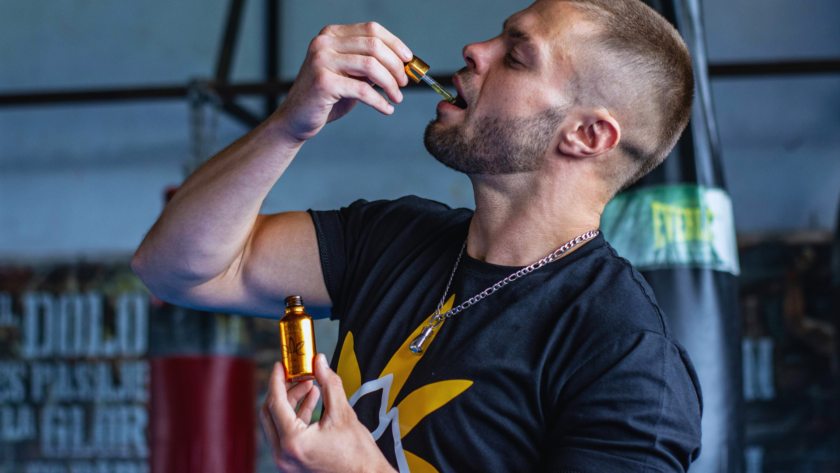
Oils and Tinctures
CBD oils and tinctures are liquid extracts taken orally, usually placed under the tongue for faster absorption. This allows CBD to enter the bloodstream more quickly than edibles, typically within 15 to 45 minutes.
Dosing is flexible with droppers, enabling precise control over intake based on individual needs. Oils can provide systemic relief from muscle inflammation and pain.
They come in various concentrations, often measured in milligrams of CBD per milliliter. Users should start with a low dose and increase as needed while monitoring effects. Oils typically provide relief lasting 4 to 6 hours per dose.
Edibles
CBD edibles include gummies, capsules, and beverages. They offer a discreet method to consume CBD but require digestion, so effects take longer—usually 30 to 90 minutes.
Edibles provide longer-lasting relief, often 6 to 8 hours, making them suitable for ongoing muscle recovery support. Doses are pre-measured, which simplifies consistent use.
However, variability in digestion and metabolism can affect the timing and intensity of relief. Edibles are preferred for those who dislike the taste of oils or want convenience in their recovery routine.
Best Practices for Safe and Effective Use
Using CBD for muscle recovery requires careful attention to dosage, interactions, and combining it with other recovery approaches. It’s important to tailor usage based on individual response and to involve medical guidance when needed for safety. Tracking effects systematically helps optimize benefits and minimize risks.
Consulting with Healthcare Professionals
Before starting CBD, consult with a healthcare professional, especially if taking other medications or managing chronic conditions. A doctor can advise on potential drug interactions, such as with blood thinners or anti-seizure drugs, which could affect safety.
Professionals can also help determine an appropriate starting dose based on personal health factors. This guidance reduces the risk of side effects like drowsiness or gastrointestinal issues. Be transparent about CBD use during medical visits for proper monitoring.
Regular check-ins are advisable to reassess dosage or discontinue if adverse effects occur. Consulting ensures CBD use aligns with overall treatment plans and recovery goals.
Monitoring Effects and Adjusting Use
Track dosage carefully from the beginning, starting with the lowest effective amount, often between 10-20 mg per day. Keep a log of when you take CBD and note muscle soreness, inflammation, or pain changes over days or weeks.
Adjust doses gradually based on observed effects or side effects. Increase in increments of 5-10 mg after a week if needed. Consistent monitoring helps identify the optimal dose that maximizes relief without causing fatigue or nausea.
Stop or reduce the dose if negative effects outweigh the benefits. Reliable product labeling is critical; use lab-tested CBD oils or creams to ensure consistent potency and purity.
Combining CBD with Other Recovery Methods
CBD should not replace core recovery strategies like rest, nutrition, hydration, and stretching. Use it as part of a comprehensive plan that includes physical therapy or massage when appropriate.
For inflammation, apply topical CBD alongside cold therapy or compression garments for enhanced effect. Orally, CBD may complement protein intake to support muscle repair.
Avoid mixing CBD with alcohol or sedatives during recovery as it may amplify sedative effects. Use timing strategies—such as taking CBD post-exercise rather than before—to avoid impairing performance.
Integration with proven methods creates a safer and more effective approach to muscle recovery.
Potential Side Effects and Considerations
CBD use for muscle recovery carries some risks, including side effects, possible interactions with medications, and regulatory issues in sports. Understanding these factors helps ensure safe and effective use.
Possible Adverse Reactions
Some users may experience mild side effects such as dry mouth, fatigue, or dizziness. These reactions are typically temporary and dose-related.
In rare cases, CBD can cause digestive issues like diarrhea or changes in appetite. It is important to start with a low dose to monitor your body’s response.
Allergic reactions to CBD products are uncommon but possible, especially if they contain additives or contaminants. Always choose high-quality, third-party tested products.
Drug Interactions
CBD affects the cytochrome P450 enzyme system in the liver, which can alter the metabolism of many medications. This interaction may either increase or decrease drug levels in the blood.
Common medications that can interact with CBD include blood thinners, anti-epileptic drugs, and some antidepressants. Always consult a healthcare provider before combining CBD with other treatments.
Close monitoring is advised when using CBD with prescription drugs to avoid adverse effects or reduced medication efficacy.
Legal and Sport Regulations
CBD legality varies by country and state, with some places allowing only hemp-derived products containing less than 0.3% THC. Confirm local laws before purchasing or using CBD.
In sports, the World Anti-Doping Agency (WADA) removed CBD from its banned substances list in 2018. However, THC and other cannabinoids remain prohibited.
Athletes should use certified products to prevent accidental THC ingestion, which could result in positive drug tests and sanctions.
Conclusion
CBD can be a useful addition to muscle recovery routines. Its potential to reduce inflammation and manage pain supports the healing process after exercise.
When choosing CBD products, focus on quality and proper dosage. Start with a low dose and adjust based on how your body responds.
Here are key points to consider:
- Product type: oils, creams, or edibles, depending on preference and target area.
- Third-party testing: ensures purity and potency.
- Legal status: varies by location, so check local regulations.
Consistency matters. Using CBD regularly may provide better results over time compared to one-time use.
Consult a healthcare provider before starting CBD, especially if taking other medications or having health conditions. This helps avoid potential interactions or side effects.
In summary, CBD is an option worth exploring for muscle recovery when used thoughtfully and responsibly.