 Fleur and Phoebe
 Understanding how to read CBD product labels is essential for making informed choices. Look for clear information on CBD concentration, type of extract, and additional ingredients to ensure the product meets your needs. This helps you avoid misleading claims and select the right product for your intended use.
Labels typically include the amount of CBD per serving, whether it contains full-spectrum, broad-spectrum, or isolate extract, and any added compounds like THC or terpenes. Recognizing these details can prevent unwanted effects and improve your overall experience with the product.
Understanding CBD Product Labels
CBD product labels provide essential details about contents, potency, and safety. Accurate labels help consumers make informed choices and avoid misleading claims or unsafe products.
What Information is Required
CBD labels must include the total CBD content per serving and per container. The type of CBD used—full-spectrum, broad-spectrum, or isolate—should be clearly stated.
Ingredients must be listed, indicating whether the product contains additives or other cannabinoids like THC. Manufacturers are also required to provide the batch number and expiration date to ensure quality control.
Third-party lab testing results, often via a QR code or website link, are important for verifying cannabinoid levels and contaminant absence. Products should also state the manufacturer’s name and contact information.
How to Spot Accurate Labels
Look for clear, legible printing and avoid vague terms like “hemp extract” without specifying CBD amounts. Verified products include Certificate of Analysis (COA) links or QR codes directing to lab reports.
Check if the label specifies the extraction method (e.g., CO2 extraction), which impacts purity. Avoid labels with misspellings or inconsistent data, which can signal poor quality control.
Accurate dosage information is essential. Labels should provide CBD content in milligrams per serving rather than ambiguous percentages. Transparent packaging disclosure reduces the risk of contamination.
Why Label Reading is Important
Reading labels protects you from products with unreliable CBD concentrations, hidden ingredients, or unsafe additives. Mislabeling can lead to consuming unintended THC amounts, causing legal or health issues.
Labels also guide proper dosing, minimizing side effects, and maximizing benefits. Understanding spectrum types helps determine if additional cannabinoids or terpenes are present.
Informed choices reduce exposure to contaminants like heavy metals or pesticides, often revealed in lab testing. Label reading empowers consumers to select safe, effective CBD products tailored to their needs.
Key Components Listed on CBD Labels
CBD product labels contain specific information necessary to understand the product’s strength, contents, and proper use. Key details include how much CBD is present, the amount of THC, and clear guidance on serving sizes and dosing.
CBD Content and Potency
The CBD content is usually listed in milligrams (mg) and indicates the total amount of cannabidiol in the product. This number helps gauge the product’s potency and effectiveness.
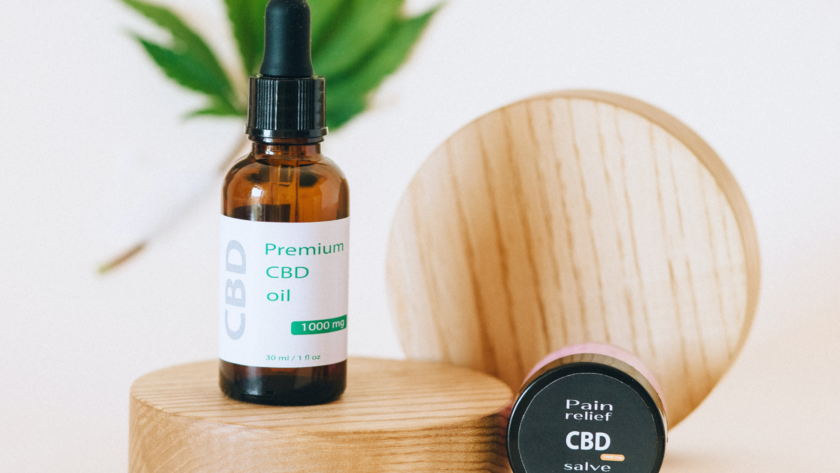
Labels might show total CBD per container or per serving. For example, a tincture may state 500 mg CBD per bottle and 25 mg per dropper serving. This lets users control their dose accurately.
It’s also important to note whether the product contains full-spectrum, broad-spectrum, or CBD isolate. This affects the range of cannabinoids included beyond CBD, which can influence potency and effects.
THC Percentage and Legal Limits
THC content is typically listed as a percentage or milligrams per serving. Legally, hemp-derived CBD products in the U.S. must contain less than 0.3% THC by dry weight.
Checking THC levels is crucial for those concerned with drug testing or psychoactive effects. Some products advertise “THC-free,” but it’s important to verify third-party testing to confirm.
For full-spectrum products, the THC percentage will be low yet present. Broad-spectrum products usually have undetectable THC, but labels must clarify this.
Serving Size and Dosage Details
Serving size indicates how much of the product contains the specified amount of cannabinoids. This could be a dropperful, a capsule, or a gummy, depending on form.
Dosage instructions provide guidance on how much to take and how often. Labels often recommend starting with a low dose and adjusting gradually based on effects.
Clear dosage details include the amount of CBD per serving, total servings per container, and usage recommendations. This helps users maintain consistent dosing.
Recognizing Product Types and Spectrum
Understanding the type of CBD product and its composition is crucial for informed purchasing. Key elements include the spectrum of cannabinoids, how the product is consumed, and the ingredients used as carriers or additives.
Full Spectrum, Broad Spectrum, and Isolate
CBD products are typically labeled as Full Spectrum, Broad Spectrum, or Isolate. Full Spectrum contains all naturally occurring cannabinoids, including THC (usually below 0.3%), terpenes, and flavonoids. It may produce the “entourage effect,” which means the compounds work together for enhanced benefits.
Broad Spectrum also has multiple cannabinoids and terpenes, but with all THC removed. This offers some entourage benefits but without THC presence. Isolate contains only pure CBD, with no other cannabinoids or terpenes. It’s typically 99%+ CBD and preferred by those avoiding THC entirely.
Reading labels for these terms helps determine the product’s cannabinoid profile and decide what fits your needs.
Methods of Consumption
CBD products come in various forms that affect how CBD is absorbed and how quickly effects occur. Common types include:
- Oils and Tinctures: Taken sublingually, absorbed through soft tissues under the tongue.
- Edibles: Like gummies or capsules, processed through digestion, causing a slower onset.
- Topicals: Creams or balms applied to the skin, targeting localized relief without entering the bloodstream.
- Vapes: Inhaled into the lungs, offering rapid absorption but potential respiratory risks.
Labels usually specify dosage instructions and suggested use, which should be carefully followed for consistent results.
Carrier Oils and Main Ingredients
Carrier oils dilute CBD extract and improve bioavailability. Common carrier oils listed on labels include MCT oil (medium-chain triglycerides from coconut), hemp seed oil, and olive oil. Each affects product texture, taste, and absorption rate.
Labels might also include additives or preservatives, such as flavorings in tinctures or sweeteners in edibles. Checking for allergens or artificial ingredients can be important, especially for sensitive users.
Always reviewing ingredient lists on product labels ensures awareness of what you are ingesting or applying.
Interpreting Third-Party Lab Results
Third-party lab reports provide detailed information on the contents and safety of CBD products. Understanding these documents requires focusing on key data such as cannabinoid levels, contaminants, and test methods.
Understanding Certificates of Analysis (COA)
A Certificate of Analysis (COA) is a lab report that shows the testing results for a CBD product. It lists the levels of cannabinoids like CBD and THC, often measured in milligrams or as a percentage of total weight. Confirm that the product’s CBD content matches the label claims.
The COA also indicates the batch or lot number, which helps verify that the report corresponds to the exact product you have. Check the testing date to ensure the results are current and valid.
Look for the lab’s accreditation or certification to confirm the report’s reliability. Accredited labs follow standardized protocols, which increases trust in the data.
Testing for Contaminants
Check the COA for screenings of common contaminants such as pesticides, heavy metals (lead, arsenic, mercury), solvents, and microbial contaminants. These substances can pose health risks if present above safe limits.
The report should list the specific tests performed and the detection thresholds. Ensure all tested contaminants fall within safe levels established by regulatory bodies or industry standards.
If any contaminants exceed safe levels, avoid that product. Absence of contaminant testing or unclear results are red flags.
Verifying Potency Claims
Potency verification confirms that the amount of CBD and other cannabinoids matches what the product label states. The COA should provide exact cannabinoid concentrations.
Look for both CBD and THC levels. Legal limits on THC vary, but usually must be below 0.3% by dry weight in hemp-derived products.
Discrepancies between the labeled potency and lab results may indicate poor manufacturing or false advertising. Trust products with consistent and transparent lab data.
Identifying Additives and Additional Ingredients
CBD product labels often include substances beyond cannabidiol. These can impact the product’s flavor, shelf life, and potential effects.
Flavorings and Artificial Ingredients
Many CBD products contain added flavorings to mask the natural bitterness of hemp extracts. Common natural flavors include mint, citrus, and vanilla. Artificial flavorings might be labeled as “natural and artificial flavors” or use specific chemical names.
Check for ingredients like sucralose or ethyl maltol, often added to improve taste. Some artificial additives can cause allergic reactions or sensitivities. If you prefer clean-label products, look for those specifying only natural flavor sources without synthetic chemicals.
Understanding flavorings helps in selecting products that suit your taste preferences and dietary needs.
Preservatives and Sweeteners
Preservatives extend the shelf life of CBD products but may present health concerns for sensitive individuals. Common preservatives include potassium sorbate and sodium benzoate. These chemicals prevent mold and bacterial growth in oils, tinctures, and edibles.
Sweeteners vary from natural honey and stevia to artificial compounds like sucralose. Labels will indicate types and quantities, important if you monitor sugar intake or avoid artificial sweeteners.
Be aware of these ingredients, especially if you have allergies, dietary restrictions, or prefer organic formulations.
Evaluating Manufacturer Information
Understanding who makes the product and how they communicate important details helps assess its reliability. Key factors include the company’s trustworthiness, openness, and the specific data printed on the packaging.
Brand Reputation and Transparency
Check if the manufacturer has a well-established presence in the CBD industry. Research third-party reviews and customer feedback. Verified lab results are crucial—they show the company’s commitment to quality and honesty.
Look for clear contact information on the label or website, such as a physical address and customer service phone number. Brands that provide detailed explanations of their sourcing and extraction methods offer higher transparency.
Avoid companies that hide behind vague claims like “all-natural” without proof or that don’t provide lab reports. Transparency is a sign of a brand willing to be held accountable.
Batch Numbers and Expiry Dates
Batch numbers allow tracking of specific product lots for quality control. These numbers link to lab test results, helping verify the content and safety of the product.
Expiry dates indicate how long the product maintains its potency and quality. Using CBD past its expiration can result in reduced effects or altered composition.
Always check that the batch number and expiration date are clearly printed and legible. If missing or confusing, consider it a red flag against product reliability and freshness.
Recognizing Red Flags and Misleading Claims
CBD product labels can contain warnings that indicate unreliable or deceptive practices. It’s important to identify unapproved health claims, unclear ingredient descriptions, and questionable labeling methods to make safe choices.
Unapproved Health Claims
Labels that promise to cure, treat, or prevent specific diseases or medical conditions are red flags. The FDA has not approved CBD as a treatment for any illness, so claims like “cures cancer” or “relieves chronic pain instantly” lack scientific backing.
Look for vague statements such as “supports well-being” instead of absolute promises. Avoid products that guarantee effects or use terms like “miracle cure.” These indicate a lack of regulation and possibly unsafe products.
Ambiguous Ingredient Lists
A clear ingredient list is essential. Be wary of listings that use generic terms like “hemp extract” without specifying CBD concentration or other components. Some products omit THC content or total cannabinoid percentages.
Labels should include precise amounts of CBD per serving, the source of hemp, and any added ingredients. Watch for terms that hide unknown substances or fillers, which can impact safety and efficacy.
Suspicious Labeling Practices
Misleading packaging includes missing batch numbers, the absence of expiration dates, or unreadable font sizes. Legitimate products often provide QR codes or links to third-party lab reports verifying contents.
Avoid products with labels that are inconsistent between the box and bottle or use exaggerated graphics to distract from missing information. Transparency is vital for product trustworthiness.
Legal and Regulatory Considerations
CBD products are subject to complex and evolving legal frameworks. In the U.S., the 2018 Farm Bill legalized hemp-derived CBD containing less than 0.3% THC at the federal level. However, state laws vary widely and can affect availability and labeling requirements.
The Food and Drug Administration (FDA) regulates CBD differently depending on the product type. The FDA has approved only one CBD-based prescription drug so far. Labels cannot claim that CBD can treat or cure diseases unless authorized.
Key elements to watch for on labels include:
- THC content: Must typically be below 0.3% for hemp-derived products.
- Source of CBD: Hemp vs. marijuana distinction impacts legality.
- Manufacturing practices: Look for third-party testing and GMP (Good Manufacturing Practices) certification.
- Health claims: Should be supported by evidence and comply with FDA guidelines.
Mislabeling is common in this industry, so verifying the certificate of analysis (COA) linked on the product or company website is essential. The COA shows cannabinoid levels and confirms no harmful contaminants.
Be aware that international regulations differ; some countries ban CBD altogether. Always check local laws before purchasing or using CBD products.
Tips for Choosing the Right CBD Product
Start by identifying your needs and preferences. Consider whether you want full-spectrum, broad-spectrum, or CBD isolate products, as each has different cannabinoid content and effects.
Check the CBD concentration on the label. Products vary widely in dosage, so choose one that aligns with your intended use and experience with CBD.
Look for third-party lab test results. Reliable brands provide Certificates of Analysis (COAs) to verify cannabinoid levels and check for contaminants like pesticides or heavy metals.
Pay attention to the type of product: oils, capsules, edibles, or topicals. Each delivers CBD differently and suits different purposes.
Use this quick reference table to match product types with typical uses:
| Product Type | Common Uses | Onset Time |
| Oils/Tinctures | General wellness, quick effects | 15-45 minutes |
| Capsules | Consistent dosing, convenience | 30-90 minutes |
| Edibles | Long-lasting effects | 1-2 hours |
| Topicals | Localized relief | 15-30 minutes |
Check for additional ingredients that may support your goals. Some products include natural flavors, essential oils, or other supplements.
Lastly, consider the brand’s reputation and customer reviews. Transparent companies and positive feedback are good indicators of product quality.