
 Fleur and Phoebe
 Thoracic Disc Herniation: Treatment Options That Actually Provide Relief
Most people have heard about herniated discs in the lower back or neck, but thoracic disc herniations are a different beast entirely. The mid-back doesn’t get nearly as much attention, partly because problems there are less common, but when they do happen, they can be genuinely confusing. The pain might show up between the shoulder blades, wrap around the rib cage, or even create symptoms that feel more like a heart or lung issue than a spine problem.
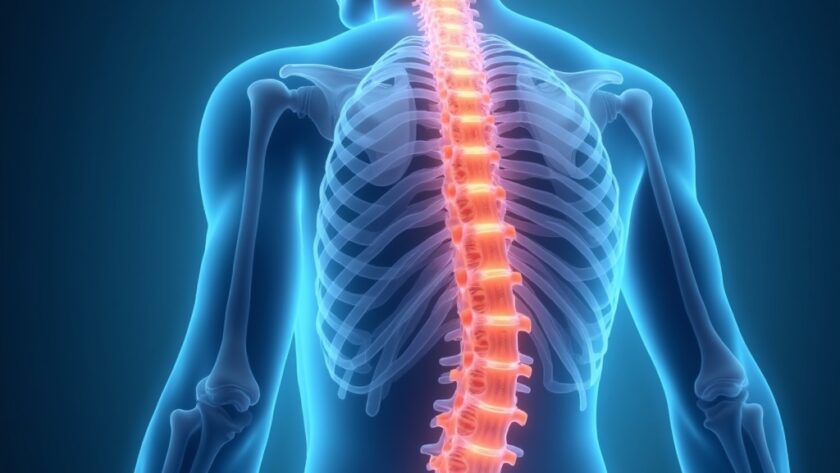
The thoracic spine sits between your neck and lower back, connecting to your rib cage and helping keep your upper body stable. Because this region doesn’t move as much as other parts of the spine, disc problems here are rarer, but that also means they sometimes get missed during initial evaluations. Getting the right diagnosis is half the battle, and once that’s confirmed, there are several treatment paths that can bring real relief.
Understanding What’s Actually Happening
When a thoracic disc herniates, the soft inner material pushes through the tougher outer layer of the disc. This can put pressure on nerves or the spinal cord itself, which explains why symptoms can be so varied. Some people feel a sharp, stabbing pain in one spot. Others describe a burning sensation that radiates around their torso. The location and severity depend on which disc is involved and how much pressure is being applied to the surrounding structures.
What makes thoracic disc problems tricky is that the symptoms don’t always match what people expect from a "back problem." Chest pain, difficulty breathing deeply, or numbness in unusual patterns can all stem from a thoracic disc issue. This is why proper imaging and evaluation matter so much before jumping into any treatment plan.
Conservative Treatment Approaches That Work
Most thoracic disc herniations respond well to conservative care, which is encouraging news for anyone dealing with this condition. Rest plays a role early on, but complete inactivity usually isn’t the answer. Modified activity that avoids movements causing sharp pain while maintaining some gentle motion tends to work better than bed rest alone.
Physical therapy becomes valuable once the acute pain settles down a bit. Therapists can work on strengthening the muscles that support the thoracic spine and improving flexibility in areas that have become stiff or guarded. The goal is to take pressure off the affected disc while creating better overall support for that region of the spine. Stretching exercises targeting the chest and upper back often help, especially for people who spend a lot of time sitting or hunched forward.
Pain management during the initial phase might include anti-inflammatory medications or muscle relaxants to address both the inflammation around the herniated disc and any muscle spasm that’s developed as a protective response. Heat and ice can provide temporary relief, though responses vary from person to person. Some find heat more soothing, while others prefer ice to reduce inflammation.
Specialized Care for Stubborn Cases
When conservative measures aren’t providing enough relief after a reasonable trial period, more specialized interventions become worth considering. Chiropractic care specifically focused on thoracic spine issues can address alignment problems and restricted movement patterns that might be slowing down recovery. The thoracic herniated disc treatment approaches that work best often combine manual techniques with therapeutic exercises tailored to each person’s specific situation.
Spinal decompression therapy is another option that’s shown promise for thoracic disc problems. This treatment works by creating negative pressure within the disc, which can help draw the herniated material back toward the center and reduce pressure on nerves. The process is gradual and typically requires multiple sessions, but many people experience meaningful improvement without needing more aggressive interventions.
Epidural steroid injections serve as a middle ground between conservative care and surgery. These injections deliver anti-inflammatory medication directly to the area around the affected disc and nerves. While they don’t fix the herniation itself, they can significantly reduce inflammation and pain, giving the body a better chance to heal naturally. The relief from these injections varies, with some people getting weeks or months of improvement while others find the benefit more modest.
Building Habits That Support Recovery
Treatment doesn’t exist in a vacuum. Daily habits and movement patterns play a huge role in how well someone recovers from a thoracic disc herniation and whether problems recur down the road. Posture awareness becomes important, particularly for people who work at desks or spend time in positions that round the upper back forward. Making adjustments to workstation setup, taking regular breaks to move and stretch, and being mindful of how the body is positioned throughout the day all contribute to long-term improvement.
Core strengthening deserves attention because a strong core takes pressure off the entire spine, including the thoracic region. This doesn’t necessarily mean doing hundreds of crunches. Exercises that engage the deep stabilizing muscles of the abdomen and back tend to be more beneficial. Breathing exercises can help too, since proper breathing patterns engage core muscles naturally and can reduce tension in the upper back and rib cage area.
Weight management matters more than people often realize. Extra weight, especially carried in the midsection, shifts the body’s center of gravity and increases stress on all spinal structures. Even modest weight loss can reduce the load on an already stressed thoracic disc.
What to Expect During Recovery
Recovery timelines for thoracic disc herniations vary considerably based on the severity of the herniation, how long symptoms have been present, and how well someone responds to initial treatment. Some people notice significant improvement within a few weeks of starting treatment, while others need several months of consistent care to reach a comfortable baseline.
The path isn’t always linear either. There might be periods where symptoms improve noticeably, followed by days where old pains resurface temporarily. This doesn’t necessarily mean the treatment isn’t working or that damage is getting worse. Healing from disc problems tends to happen in waves rather than a steady upward climb.
Staying consistent with prescribed exercises and treatment recommendations makes a real difference in outcomes. It’s tempting to abandon stretches or modifications once pain starts improving, but maintaining these practices helps prevent recurrence and supports complete healing.
Moving Forward with Confidence
Dealing with a thoracic disc herniation can feel overwhelming at first, especially given how varied and sometimes confusing the symptoms can be. The good news is that most people find relief through appropriate treatment, whether that’s conservative care, specialized interventions, or a combination of approaches. The key is getting an accurate diagnosis, finding practitioners who understand thoracic spine problems specifically, and being patient with the recovery process.
Nobody should have to live with persistent mid-back pain or the weird radiating symptoms that thoracic disc problems can cause. With the right treatment approach and commitment to supporting the healing process through lifestyle adjustments, most people get back to their normal activities without the constant reminder that something’s wrong with their spine. Recovery is possible, and understanding the available options is the first step toward getting there.